
Office: 020 8202 2008  |  WhatsApp: 07476 940592  |  Open 24/7, UK-wide

Construction Logistics Plans

A construction logistics plan (CLP) sets out how vehicles will get to and from a building site: how many, by which routes, at what times and under what safety rules. Councils often require one as part of planning permission. This guide from First Choice Transportation Ltd explains what a CLP includes and what it means for deliveries.

Office: 020 8202 2008  ·  WhatsApp: 07476 940592

✓ Registered company 15276847   ✓ VAT registered   ✓ £20,000 goods in transit cover   ✓ £2m public liability   ✓ Open 24/7

Get a price in minutes

What Is a Construction Logistics Plan?

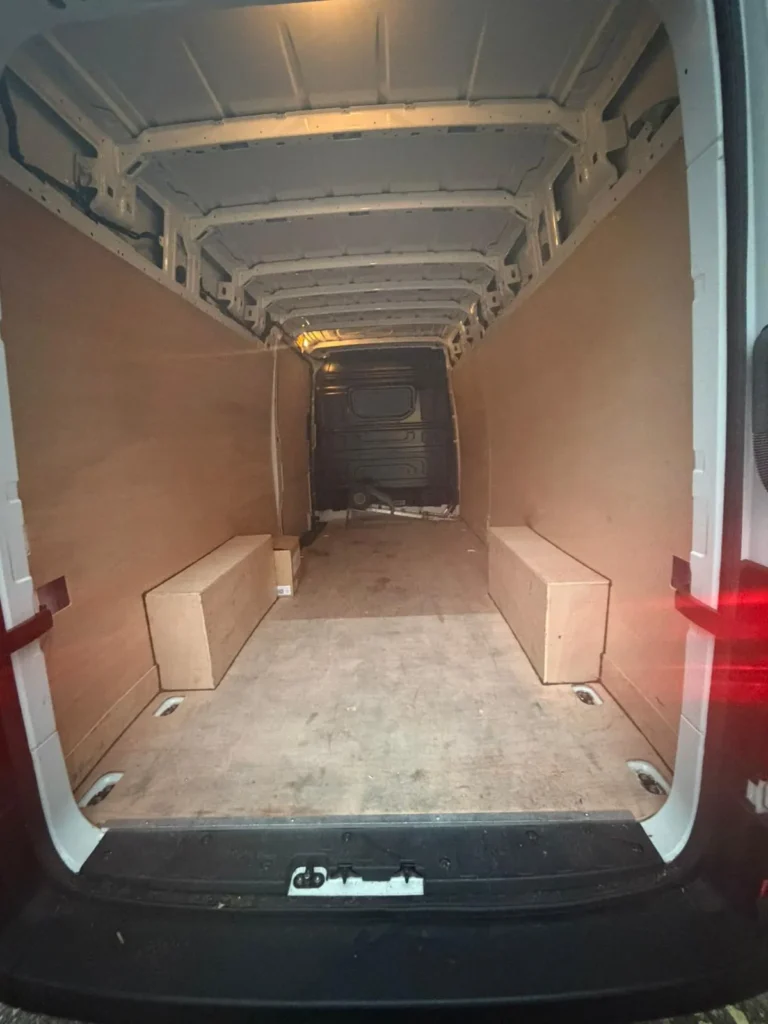
Construction Logistics Plans: ply-lined load space of a First Choice Transportation VW Crafter LWB van

A construction logistics plan is a management document for a development’s supply chain. CLOCS describes it as a tool for planners, clients, developers and principal contractors, focused on reducing the impact of construction traffic on the road network: fewer vehicle movements, safer routes, less congestion and less disruption for neighbours.

It is a working document, not a one-off form. It is agreed through the planning process and then updated as the build goes on.

Planning site deliveries?

Dedicated vans booked to your delivery slots across London. Ask us for a price.

Outline Construction Logistics Plan vs Detailed Construction Logistics Plan

Outline CLPDetailed CLP
WhenWith the planning applicationBefore construction starts, often to meet a planning condition
Usually written byA planning or transport consultantThe principal contractor
Level of detailExpected traffic, likely routes and the measures proposedActual delivery schedules, gate arrangements, routes and vehicle rules
Approved byThe local planning authority

What a CLP Includes

Whether you start from a council’s construction logistics plan template or write your own, a CLP typically covers:

  • the amount of construction traffic the site will generate, and when;
  • the routes vehicles will use to reach the site, and roads to avoid;
  • site access: gates, loading areas, holding areas and pedestrian routes;
  • delivery booking and time windows, including peak-hour restrictions;
  • traffic management on the roads around the site;
  • vehicle and driver standards, such as CLOCS requirements;
  • measures to reduce trips, such as consolidated deliveries;
  • how impacts on the local community will be managed and monitored.

Construction Logistics Plan TfL Guidance and Council Requirements

In London, Transport for London publishes construction logistics plan guidance, produced with CLOCS: TfL CLP guidance (PDF). Many boroughs base their requirements on it and publish their own pages and templates. Outside London, councils set their own requirements, often through a construction traffic or construction management plan.

Read more on the CLOCS introduction to CLPs and our guide to CLOCS and the Direct Vision Standard.

Construction Traffic Management Plan vs CLP

A construction traffic management plan (CTMP) focuses on the roads and the site entrance: signs, banksmen, temporary road closures, parking suspensions and how vehicles enter and leave safely. A CLP is broader: it covers the whole supply chain, including how many vehicles are needed in the first place and how deliveries are scheduled. Some councils ask for one, some for the other, and some combine them.

Construction Management Plan vs CLP

A construction management plan (CMP) covers the whole of how a site is run: working hours, noise, dust, vibration, neighbour liaison and site security, with transport as one section. A CLP goes deeper on that transport section. On many London sites the CLP is a separate document that sits alongside the CMP.

Deliveries Under a CLP: What Suppliers and Couriers Must Do

For anyone delivering to the site, the plan turns into practical rules:

  • Book the slot. Arrive inside the delivery window you were given, not before.
  • Use the agreed route and any holding area, rather than waiting on the street.
  • Follow the gate rules: booking reference, PPE and the banksman’s instructions.
  • Meet the vehicle standards. Lorries over 12 tonnes in London need a Direct Vision Standard permit; vans do not.

We deliver to sites by dedicated van: tools, fixings, parts and materials, collected within the hour and driven straight to the gate. Our Luton vans have tail lifts for heavier items, and lorry loads go through partner hauliers. See our construction logistics service, or call 020 8202 2008.

Materials moved to site on time

Tell us the site, the loads and the timings, and we will quote.

Construction Logistics Plans FAQ

Usually two different people. A planning or transport consultant writes the outline plan that goes in with the planning application. The principal contractor writes the detailed plan once it knows how the site will actually be built. The local planning authority reviews and approves both, and the contractor keeps the detailed plan up to date during the build.

It depends on the council and the size of the development. Many London boroughs ask for one on major developments or sites with difficult access, often as a planning condition that must be met before work starts. Check the planning permission and your council’s guidance, as requirements vary from borough to borough.

Yes. A plan covers every vehicle serving the site, not only lorries. A van delivery still has to arrive inside its booked slot, use the agreed route and follow the site’s gate rules. Vans are under 12 tonnes, though, so the Direct Vision Standard permit that applies to larger lorries in London does not apply to them.

Yes. Give us the delivery slot, the gate or booking reference, the route requirements and the site contact when you book, and the driver works to them. We deliver to sites; we do not write logistics plans. Call 020 8202 2008 for a construction delivery.

Call 020 8202 2008 for a Site Delivery

Book a construction courier

Tell us where from, where to and what you are sending, and we will reply with the exact price.

Prefer to talk? We answer 24 hours a day.

Get a price in minutes